Safety Standards & Regulations
Organizations like CPSC and AAP stress the importance of meeting current safety standards for cot beds.
- ✓ Compliance with CPSC Regulations
- ✓ Look for Safety Certifications
- ✓ Rigorous Testing Protocols
Get Clara Jennings' expert cot bed reviews and safety tips delivered straight to your inbox. Your baby deserves the best!
Posted on: 2025-12-01
By: Clara Jennings
When considering a second-hand cot bed for your baby, it's essential to prioritize safety above all else. With so many factors to assess, do you really know what to look for?
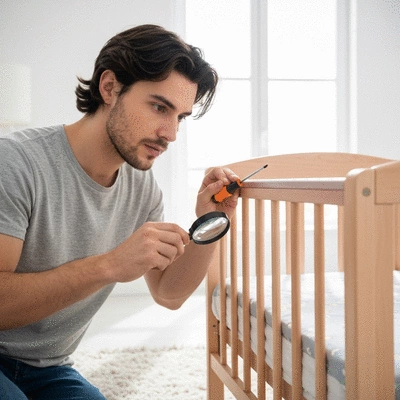
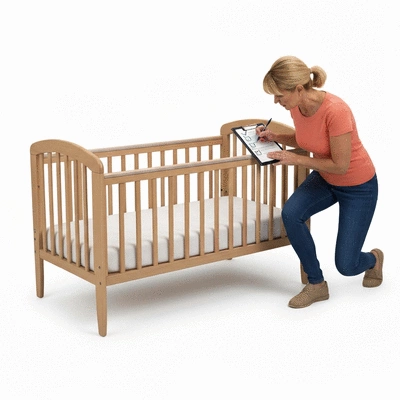
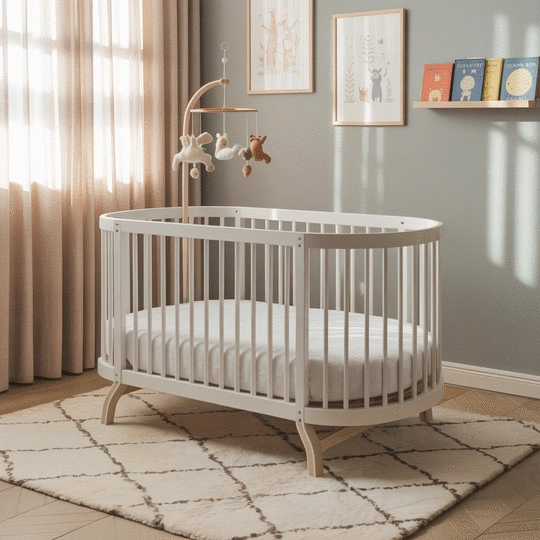
This visual highlights critical safety factors when evaluating used cot beds, focusing on consumer safety and regulatory compliance.
When it comes to choosing a cot bed for your little one, safety should be your top priority. Second-hand cot beds can be enticing due to their lower prices, but they may come with hidden risks. Organizations like the Consumer Product Safety Commission (CPSC) and the American Academy of Pediatrics (AAP) stress the importance of ensuring that any cot bed you consider meets current safety standards. This commitment to safety not only protects your baby but also brings peace of mind to you as a parent. For additional insights into preventing unsafe sleep environments, you can review the latest CPSC report on injuries and deaths related to nursery products.
In my experience with Baby Cot Beds, parents often overlook essential safety factors when purchasing second-hand. It’s crucial to educate yourself on potential hazards and ensure you’re making informed decisions for your child’s sleeping environment.
Prioritizing safety means understanding the risks associated with second-hand cot beds. They may not have been made to modern safety standards, which can lead to potential dangers. Here are some key reasons why safety should always come first:
By focusing on these factors, you can ensure that your baby's sleeping space is both safe and comfortable. Always choose cot beds that adhere to safety regulations and are free from harmful materials, as highlighted by various public safety announcements, such as those from government health organizations warning that second-hand cots may be unsafe.
It’s essential to be aware of prevalent safety issues associated with used cot beds. Here's a rundown of common concerns:
Each of these issues highlights the importance of thorough research before making a purchase. Take the time to check any second-hand cot bed against safety standards and guidelines.
The Consumer Product Safety Commission (CPSC) has established regulations to ensure the safety of cot beds and cribs. When considering a second-hand cot bed, it’s vital to look for compliance with these standards:
Knowledge of these regulations is an essential step in making informed decisions. At Baby Cot Beds, I always recommend checking for safety certifications when browsing used options.
Once you've considered the safety concerns, it’s time to evaluate the cot bed itself. A thorough inspection can prevent potential hazards before they become an issue. Having a comprehensive inspection checklist can guide you through this process effectively.
When evaluating second-hand cot beds, consider asking the seller about the history of the bed. Inquire about any previous repairs, whether it has been involved in any recalls, and how it has been stored. This information can provide valuable insights into the safety and condition of the cot bed, ensuring you make a well-informed decision for your child's safety.
Key concerns include potential exposure to lead paint, compromised structural integrity due to wear and tear, and outdated designs such as drop-side cribs, which have been linked to safety incidents.
Always check for safety certifications and ensure the cot bed complies with the latest CPSC regulations regarding design, materials, and manufacturing. Look for products that have undergone rigorous testing protocols.
Inspect for stability and durability issues, sharp edges, loose parts, and any signs of lead paint. It's also crucial to verify that the cot bed has not been recalled due to safety concerns.
No, drop-side cribs are considered unsafe and have been linked to numerous accidents and injuries. It is strongly recommended to avoid purchasing any cot bed with a drop-side mechanism.
Always ask sellers for proof of purchase and safety documentation, check seller reviews for reliability, and whenever possible, meet in public places to inspect the cot bed before finalizing the purchase. Trust your instincts—if something feels off, it’s okay to walk away.
When it comes to purchasing second-hand cot beds, safety should always be your top priority. Throughout this article, we discussed key safety concerns such as the risks associated with lead paint, structural integrity, and the importance of adhering to CPSC regulations. Remember, not all second-hand cot beds are created equal, and understanding what to look for can help ensure your baby's sleeping environment is safe and secure.
Here’s a quick recap of the vital points to keep in mind:
By focusing on these considerations, you can make informed decisions that prioritize your child's safety while also being budget-conscious.
As a parent, it's crucial to approach second-hand purchases with a responsible mindset. I encourage you to leverage the downloadable checklist we discussed earlier, as it will help you carefully assess each cot bed you consider. This proactive step ensures you’re making informed choices that prioritize safety.
Additionally, remember to weigh the pros and cons of buying second-hand versus new options. It’s all about what fits your family's needs while ensuring your baby has a safe sleeping environment. Have you used the checklist? I'd love to hear how it has helped you navigate your nursery furniture choices!
Navigating online marketplaces and local buy/sell groups can be a great way to find budget-friendly cot beds, but it’s essential to do so with caution. Here are some tips to help you make safe and responsible purchases:
By following these guidelines, you can confidently explore second-hand options while ensuring the safety and quality of your nursery furniture. Remember, our mission at Baby Cot Beds is to empower parents with the information they need to create a safe, stylish nursery for their little ones!
Here is a quick recap of the important points discussed in the article: