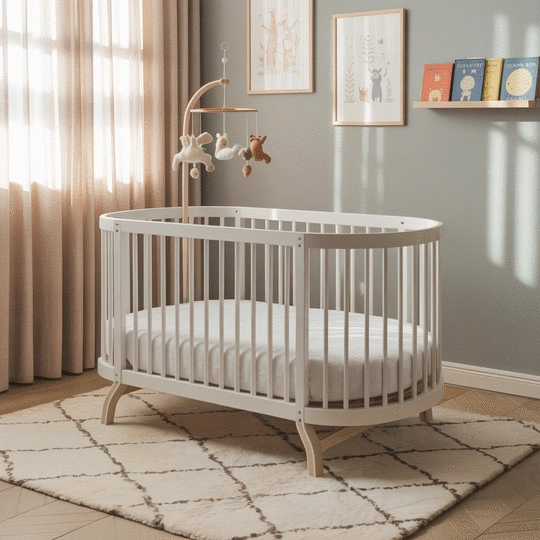
Why Regular Maintenance Matters
Critical for safety, hygiene, and extending product lifespan. Prevents allergen build-up and ensures peace of mind.
- Hygienic environment
- Reduces allergens
- Extends cot bed life
Get Clara Jennings' expert cot bed reviews and safety tips delivered straight to your inbox. Your baby deserves the best!
Posted on: 2026-02-26
By: Clara Jennings
Regular cleaning and maintenance of your baby's cot bed is crucial for their safety and well-being. Discover the essential practices and insights that will help you create a hygienic environment for your little one.
Ensuring your baby's cot bed is clean and safe involves a routine of regular tasks, from daily checks to monthly deep cleans. This visual guide outlines key maintenance areas and tasks to help you stay organized and ensure a hygienic sleeping environment.
Critical for safety, hygiene, and extending product lifespan. Prevents allergen build-up and ensures peace of mind.
Establish consistent habits with visual guides and checklists for easy upkeep.
Daily Checks (wear & tear)
Weekly Tasks (bedding, vacuum)
Monthly Deep Clean (sanitize, mold check)
Familiarize yourself with UK regulations and certifications for stability and durability.
Choose baby-safe and planet-friendly options for bedding and cot care.
Choosing the right cot bed for your baby is just the beginning! Once you’ve made that vital decision, it’s time to focus on cleaning and maintaining it. Regular maintenance is not just a chore; it’s essential for ensuring your little one’s safety and comfort. A well-maintained cot bed helps create a safe sleeping environment, reducing potential hazards that can arise from neglect.
Many parents might wonder why regular maintenance matters. The truth is, with the number of hours a baby spends in their cot, the risk of allergens, bacteria, and even mold can increase if the cot bed isn’t properly cared for. It’s all about creating a safe haven for your child to rest and play!
Regular maintenance is crucial in ensuring that your cot bed is free from harmful elements. Over time, dust mites, mold, and allergens can accumulate, potentially causing respiratory issues or allergies in sensitive infants. By keeping your cot bed clean, you're actively working to prevent these risks. For comprehensive guidance on cleaning and care, you can refer to resources like those provided by Washington County HHS.
Moreover, a clean cot bed offers peace of mind for parents! Every night, you can rest easy, knowing you’ve done your part to ensure your baby sleeps in a safe space.
As a passionate parenting expert at Baby Cot Beds, I can tell you that the benefits of maintaining a clean cot bed extend beyond just safety. A well-cared-for cot bed can last longer and withstand the wear and tear that comes with daily use. This means you can save money in the long run by not needing to replace it prematurely!
Remember, your cot bed is an essential piece of furniture in your nursery. Keeping it clean and in good condition not only ensures your baby's comfort but also enhances the overall aesthetic of the room!
When it comes to safety, knowledge is power! Familiarizing yourself with the safety standards and certifications that apply to cot beds is crucial. In the UK, cot beds must meet specific safety regulations to ensure they are safe for infants, which includes stability, durability, and the absence of harmful chemicals.
By understanding these standards, you can make informed decisions and choose a cot bed that not only looks great but also meets all safety requirements. At Baby Cot Beds, we provide resources to help you navigate these important details!
What cleaning routine do you follow for your baby's cot bed? Share your tips or challenges below:
Establishing a sustainable cleaning routine not only keeps your baby's sleeping environment safe but also makes the maintenance process easier. I always remind parents that it’s about creating habits that protect our little ones while fitting into our busy lives. By developing a consistent schedule, you can ensure your cot bed remains in optimal condition without feeling overwhelmed.
Incorporating visual guides into your cleaning routine can simplify the process even further. Visual aids help you remember what tasks need to be done and when, making it easier to engage family members or caregivers in the upkeep of your baby's nursery. Plus, it's a great way to make cleaning fun!
Visual guides are fantastic tools for keeping everyone on the same page regarding cleaning and maintenance tasks. Here are some ideas to help you create effective visuals:
When you have a visual reference, it becomes much easier to remember to check off each task! I often find that families enjoy being able to track their progress. It brings a sense of accomplishment that can motivate everyone involved.
Another effective way to streamline your routine is by utilizing downloadable checklists. They can serve as a constant reminder of what needs to be done and help you stay organized. Here’s how you can create one:
Each completed task will not only ensure your cot bed stays clean but also give you peace of mind knowing you're actively working to keep your little one safe. Wouldn’t it be satisfying to look back and see all you’ve accomplished?
Speaking of safety, it’s crucial to use environmentally friendly products when cleaning your baby's bedding and cot. These products are not only safer for your baby but also better for the planet. Here are some recommendations for baby-safe cleaning supplies:
Being mindful of the products you use can make a significant difference in your nursery's environment. It’s all about fostering a healthy space for your child to sleep and play. So, let’s make sure that every clean contributes to a safe and nurturing atmosphere!
Here is a quick recap of the important points discussed in the article: