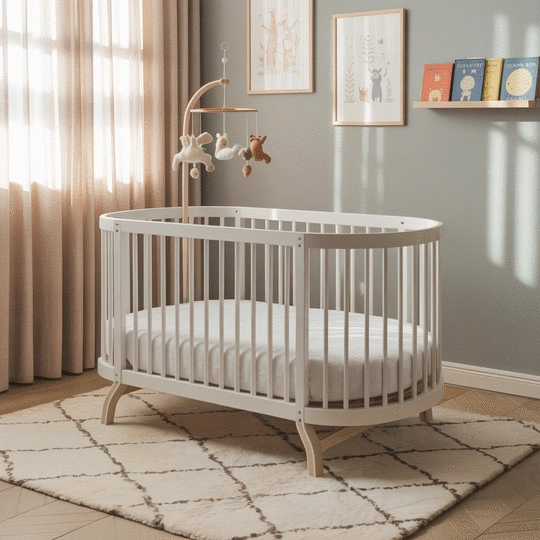
Bassinet Safety Standards in the UK

Posted on: 2025-11-24
By: Clara Jennings
Choosing a bassinet is not just about finding a cute design; it’s about ensuring the safety of your baby. Understanding the safety standards helps you make informed decisions. Here’s what you will learn!
What You Will Learn
- Bassinet safety standards are crucial for reducing risks and promoting secure sleep environments for infants.
- Key UK standards such as BS EN 716 and EN 1130 ensure that bassinets are tested for stability, material safety, and construction integrity.
- Compliance with safety regulations not only helps prevent injuries but also provides peace of mind for parents.
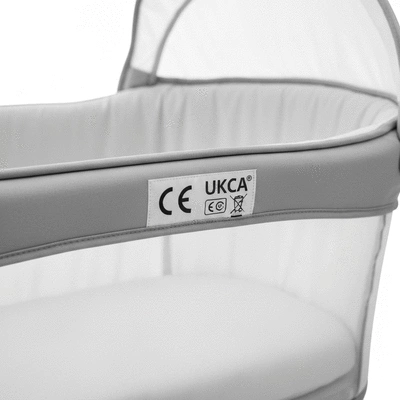
- Look for certifications like CE and UKCA markings to ensure that the bassinet meets necessary safety requirements.
Understanding Key Bassinet Safety Standards and Certifications
Ensuring a safe sleep environment for infants is paramount. This visual guide highlights the primary UK and international safety standards and certifications that bassinets must meet, providing a clear overview of what parents should look for when choosing a safe bassinet.
UK Bassinet Safety Standards
These regulations ensure bassinets sold in the UK meet stringent safety criteria for infant protection.
- BS EN 716: Stability, materials, construction.
- EN 1130: Entrapment, suffocation prevention.
International Comparisons & Markings
Comparing UK standards with global regulations and understanding certification marks.
- ASTM F2194: US standard for bassinets/cradles.
- CE Marking: EU safety compliance.
- UKCA Marking: UK specific safety compliance.
Essential Safety Checklist
Key features to verify when selecting a safe bassinet for your baby.
- ✓ UK safety certifications (BS EN 716, EN 1130).
- ✓ Secure mattress fit and support.
- ✓ Breathable mesh sides for airflow.
- ✓ Clear weight limits and age recommendations.
- ✓ Proper assembly instructions.
Resources for Parents
Where to find reliable information and support on bassinet safety.
- ● Government safety websites.
- ● Parenting blogs and forums.
- ● Safety organization newsletters.
Understanding Bassinet Safety Standards in the UK
When it comes to choosing a bassinet for your little one, understanding bassinet safety standards is crucial. These standards help ensure that the products we use for our babies meet specific safety criteria, minimizing risks and promoting secure sleep environments. In the UK, several regulations and guidelines exist to protect our infants, and as a parent, it’s vital to be informed about them.
By adhering to safety standards, we can confidently provide a safe sleeping space for our babies. This knowledge empowers us to make informed choices, ensuring that our selections align with the best practices in nursery safety. So, let's dive deeper into what these standards entail and why they matter!
What Are Bassinet Safety Standards?
Bassinet safety standards refer to the set of regulations and guidelines established to ensure that bassinets are designed, manufactured, and tested for safety. These standards cover various aspects, including materials used, construction integrity, and potential hazards. Understanding these standards is essential for new parents like us who want the best for our little ones.
- Construction and Stability: Bassinets must be sturdy and stable to prevent tipping.
- Materials: Safe, non-toxic materials should be used to reduce exposure to harmful chemicals.
- Design Features: Bassinets should have essential features like secure mattress fit and ventilation.
Being aware of these factors helps us choose products that prioritize our baby's safety while also providing peace of mind.
The Importance of Adhering to Regulations
Adhering to bassinet safety regulations is not just a legal requirement; it’s crucial for keeping our babies safe. These guidelines are developed based on extensive research and testing aimed at minimizing risks associated with baby sleep products. By choosing products that comply with these regulations, we ensure that our bassinets are safe for our infants.
- Reduces Injury Risk: Compliance with safety standards helps prevent accidents and injuries.
- Peace of Mind: Knowing your bassinet meets safety requirements allows for a more relaxed parenting experience.
- Long-term Use: Adhering to regulations often indicates a product that can be used safely as your child grows.
Ultimately, prioritizing safety standards in our choices fosters a secure sleeping environment where our babies can thrive!

Key British Safety Standards and Certifications for Bassinets
In the UK, several key safety standards govern the design and manufacturing of bassinets. Understanding these standards can help us make better purchasing decisions to keep our babies safe.
Overview of BS EN 716 and Its Implications
BS EN 716 is one of the primary standards that outlines safety requirements for cribs and bassinets in the UK. This standard covers aspects such as stability, safety of materials, and construction quality. It is essential for manufacturers to adhere to BS EN 716 to ensure that their products are safe for infants.
- Stability Testing: Ensures that the bassinet won't tip over easily.
- Material Safety: Requires the use of safe, non-toxic materials.
- Design Standards: Includes guidelines for the design to prevent any injury risks.
When you see a product certified to BS EN 716, you can trust that it has undergone rigorous testing to ensure your baby's safety.
Overview of EN 1130: Ensuring Infant Safety
Another important standard is EN 1130, which specifically addresses the safety of cribs and cradles. This regulation emphasizes safety measures that prevent hazards such as entrapment or suffocation. Understanding this standard is vital for parents like us who want to ensure our baby's sleeping environment is as safe as possible. For further information on safe sleep practices, consider consulting resources like the Lullaby Trust's baby sleeping products guide.
- Entrapment Risks: Focuses on design elements that prevent a baby from getting stuck.
- Construction Guidelines: Ensures that products are built to withstand daily use without compromising safety.
- Testing Requirements: Each product must pass specific tests to meet certification.
Being familiar with EN 1130 can give you confidence in the safety of the bassinet you choose.
Comparing UK Standards with International Regulations
As we navigate the world of bassinet safety, it’s helpful to compare UK standards with international regulations. This comparison not only enhances our understanding but also informs us about the different levels of safety assurance in various countries. For instance, the UK government provides detailed publications on furniture and furnishings fire safety regulations, which are crucial for all baby products.
ASTM F2194 vs. BS EN Standards
ASTM F2194 is a standard from the United States that focuses on the safety of bassinets and cradles. While both this standard and the BS EN standards share similar principles, differences exist in testing methods and specific regulatory requirements. Understanding these differences can help us make informed choices when selecting products that may be imported from other countries.
CE Marking and UKCA Marking Explained
Both CE marking and UKCA marking signify that a product meets certain safety standards. The CE mark is recognized throughout Europe, while the UKCA mark is specific to products sold in Great Britain. It's essential to look for these markings when purchasing a bassinet to ensure compliance with safety regulations. Additionally, for insights on sleep aids and related product safety, the Basis online resource offers valuable information.
- CE Marking: Indicates compliance with EU safety standards.
- UKCA Marking: Ensures adherence to UK-specific safety regulations.
Recognizing these certifications can guide us toward safer choices for our babies.
Pro Tip
When shopping for a bassinet, always prioritize products that feature multiple safety certifications. Look for those with both BS EN 716 and EN 1130 approvals to ensure your bassinet has met rigorous safety standards. This not only protects your baby but also provides peace of mind as you navigate parenthood.
Frequently Asked Questions About Bassinet Safety Standards
Q: What are the primary UK safety standards for bassinets?
A: The primary UK safety standards for bassinets are BS EN 716 and EN 1130. BS EN 716 covers stability, material safety, and construction, while EN 1130 addresses entrapment and suffocation prevention.
Q: Why is it important for bassinets to adhere to safety regulations?
A: Adhering to safety regulations is crucial for minimizing risks, preventing injuries, and promoting a secure sleep environment for infants. Compliance offers parents peace of mind and ensures the product's long-term safety and durability.
Q: What should I look for when checking for bassinet safety certifications?
A: When purchasing a bassinet, look for CE Marking (indicating compliance with EU safety standards) and UKCA Marking (for UK-specific safety regulations). These marks signify that the product has met necessary safety requirements.
Q: How do UK bassinet safety standards compare to international standards like ASTM F2194?
A: While both UK standards (BS EN 716, EN 1130) and international standards like the US ASTM F2194 share similar safety principles, there can be differences in testing methods and specific regulatory requirements. It's important to be aware of these when considering imported products.
Q: What are some essential items on a checklist for choosing a safe bassinet?
A: Key items include checking for UK safety certifications (BS EN 716, EN 1130), ensuring a secure mattress fit and support, looking for breathable mesh sides, verifying clear weight limits and age recommendations, and reviewing proper assembly instructions.
Final Thoughts on Bassinet Safety Standards and Certifications
As parents, ensuring the safety of our little ones is a top priority. Throughout this article, we've journeyed through the essential aspects of bassinet safety standards and certifications. Understanding these guidelines is critical to making informed decisions for your nursery. Remember, it’s not just about picking a visually appealing bassinet; it’s about choosing a product that meets stringent safety criteria!
Let’s recap the key points: bassinet safety standards in the UK ensure that products undergo rigorous testing for stability, durability, and overall safety. Certifications like BS EN 716 and EN 1130 set the benchmark for what is acceptable, ensuring our babies have safe sleeping environments. Always look for these certifications when selecting a bassinet to avoid any surprises!
Checklist for Choosing a Safe Bassinet
- Check for UK safety certifications such as BS EN 716 and EN 1130.
- Inspect the mattress fit for stability and support.
- Look for breathable mesh sides to enhance airflow.
- Ensure weight limits and age recommendations are clearly stated.
- Read through assembly instructions for proper setup.
This checklist can serve as your guide, simplifying the selection process. At Baby Cot Beds, we believe equipping parents with this knowledge is essential. It's about creating a safe and cozy space for your baby to rest, so never hesitate to reach out if you have questions!
Engaging with Experts and Resources
Finding reliable information and updates on baby products can sometimes feel overwhelming. However, numerous resources are available to help navigate the landscape of bassinet safety. From government websites to parenting blogs, it’s crucial to stay informed about the latest standards and practices that relate to your baby's sleeping environment.
Don't forget to prioritize safety in your choice of baby sleep products. With so many options available, it can be tempting to overlook critical safety features in favor of style. However, at Baby Cot Beds, we emphasize that safety should always come first—your child's well-being depends on it!
Connecting with Parenting Resources and Advocacy Groups
Engaging with parenting resources and advocacy groups can provide ongoing support and guidance. These organizations often have valuable insights into the latest safety standards and can assist you in making educated decisions. Additionally, they offer communities where you can discuss experiences and share advice.
- Join local parenting forums to connect with like-minded parents.
- Follow reputable parenting blogs for the latest product reviews.
- Subscribe to newsletters from safety organizations for updates.
By connecting with these resources, you’ll gain a wealth of information that not only enhances your knowledge but also empowers you as a parent. It’s all about ensuring that every baby has a safe and loving place to sleep, and together, we can achieve that goal!
Recap of Key Points
Here is a quick recap of the important points discussed in the article:
- Bassinets must meet specific safety standards to ensure a secure sleeping environment for infants.
- Key standards like BS EN 716 and EN 1130 focus on construction stability, material safety, and design features.
- Always check for safety certifications when purchasing a bassinet to ensure compliance with UK regulations.
- Engaging with parenting resources and advocacy groups can provide valuable insights and support regarding safety standards.
- Prioritize safety over aesthetics when selecting a bassinet for your baby’s nursery.
 Choosing a cot bed for your little one is more than just a style choice—it's about ensuring a safe
 Regular cleaning and maintenance of your baby's cot bed is crucial for their safety and well-being.
 In today's fast-paced world, cleanliness isn't just a preference; it's a necessity—especially when