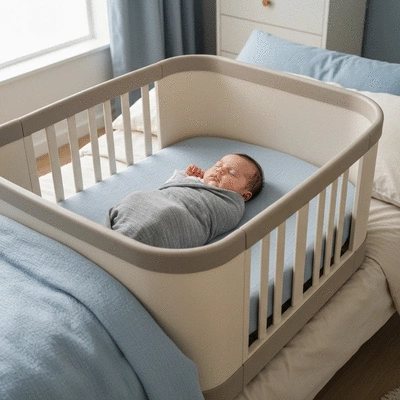
Have you ever considered how the right sleeping arrangement can impact your baby's safety and comfort? Understanding co-sleeping cribs can transform your parenting experience, allowing you to nurture closeness while prioritizing safety.
What You Will Learn
Co-sleeping cribs offer a secure way to keep your baby close while providing a safe sleeping space.
Room-sharing can enhance your baby's sense of security and promote better sleep patterns.
Understanding safe sleep practices significantly reduces the risk of SIDS and unsafe sleep environments.
Key features of safe co-sleeping cribs include adjustable height settings and sturdy construction.
Monitoring your baby during the initial days of co-sleeping can enhance safety and comfort.
Consulting with sleep experts can provide personalized guidance tailored to your family's needs.
Co-Sleeping Cribs: Benefits vs. Risks & Safe Practices
Understanding the advantages, potential dangers, and essential guidelines for a secure sleep environment.
Benefits of Co-Sleeping Cribs
Convenience for nighttime feedings & soothing.
Supports infant sleep patterns & regulation.
Potential for reduced SIDS risk (with safe practices).
Enhanced parental monitoring & bonding.
*When following safety guidelines.
Risks & Safe Practices
Dangers of unsafe sleep surfaces (soft bedding, gaps).
Increased SIDS risk if not using a safe crib.
**Always** place baby on their back to sleep.
Choose CPSC certified cribs & clear sleep area.
*Prioritizing baby's safety is crucial.
The Importance of Understanding Co-Sleeping Cribs
When it comes to our little ones, ensuring they have a safe sleep environment is our top priority. That's why co-sleeping cribs have become a popular choice among parents. But what exactly is a co-sleeping crib? In this section, we'll delve into the definition, benefits, and safety practices that every parent should be aware of.
Defining Co-Sleeping Cribs versus Bed-Sharing
First, let’s clarify some key terms. A co-sleeping crib is designed to be securely attached to the side of your bed, allowing you to keep your baby close while providing them with their own safe sleeping space. In contrast, bed-sharing involves having your baby sleep in the same bed as you, which can pose certain risks. Understanding these differences is crucial for making informed decisions about your baby's sleep environment.
Clarifying Key Terms for Parents
Co-Sleeping Crib: A crib that attaches to the parent's bed, offering safety and accessibility.
Bed-Sharing: Sleeping in the same bed with your baby, which can increase risks if not done safely.
Room-Sharing: Having your baby sleep in the same room in a separate crib or bassinet, promoting proximity while ensuring safety.
By understanding these terms, you’ll be better equipped to choose the best sleeping arrangement for your family!
Benefits of Room-Sharing with Safe Sleep Products
Room-sharing with a co-sleeping crib can provide several benefits. For one, it fosters a sense of security for your baby, making it easier for them to fall asleep. Additionally, having your baby close by allows for easier nighttime feedings and comfort. Did you know that parents who room-share tend to respond more quickly to their baby's needs? This can be a wonderful way to strengthen that precious bond!
Evaluating the Benefits of Co-Sleeping Cribs
Now, let’s explore the various advantages of using co-sleeping cribs. From convenience to promoting healthy sleep patterns, these cribs offer numerous perks for new parents.
Convenience for Breastfeeding and Monitoring
No need to get out of bed for late-night feedings.
Easy access means you can quickly soothe or comfort your baby if they stir.
Built-in safety features help keep your baby secure while you remain close.
With co-sleeping cribs, you can breathe a little easier knowing your baby is just an arm's length away!
Supporting Infant Sleep Patterns and Regulation
Co-sleeping cribs can also help regulate your baby's sleep patterns. When babies sense their parents nearby, they often feel more secure, which can lead to better sleep. This close proximity can help them transition through sleep cycles more smoothly, ultimately promoting a healthy sleep routine.
Potential for Reduced SIDS Risk through Safe Sleep Practices
Research indicates that when done correctly, co-sleeping arrangements can potentially reduce the risk of Sudden Infant Death Syndrome (SIDS). By using a co-sleeping crib, you can provide a safer sleeping environment while still enjoying the closeness of having your baby nearby. Always remember to follow safe sleep guidelines to maximize this benefit!
Understanding the Risks Associated with Co-Sleeping
While there are many benefits, it's equally important to understand the potential risks associated with co-sleeping. Knowledge is power when it comes to keeping your baby safe.
Identifying Dangers of Unsafe Sleep Surfaces
Soft bedding can pose a suffocation risk.
Having pillows or blankets within reach can lead to accidental cover-up.
Sleep surfaces should always be firm and free of gaps.
By recognizing these dangers, you can make informed choices for your baby's sleep space.
Exploring SIDS and Other Sleep-Related Death Risks
Parents often worry about SIDS, and rightfully so! It's vital to be aware of how co-sleeping, especially bed-sharing, can increase the risk if proper precautions aren’t taken. Ensuring your baby sleeps on their back and using a co-sleeping crib can help mitigate these risks significantly. For more information on safe sleep practices, you can refer to resources from organizations like the South Carolina Department of Social Services or the Florida Department of Children and Families.
Addressing Common Misconceptions about Co-Sleeping Risks
Many myths surround co-sleeping, leading to confusion among parents. Some believe that co-sleeping is inherently dangerous, but when done correctly with a safe crib, it can be a nurturing choice. At Baby Cot Beds, we emphasize the importance of following safety guidelines, so you can feel confident in your co-sleeping decisions!
Implementing Safe Co-Sleeping Practices
To enjoy the benefits while minimizing the risks, implementing safe co-sleeping practices is essential. Let’s look at some key guidelines to ensure a safe sleep environment for your little one.
Essential Safety Guidelines for Co-Sleeping Cribs
Always use a crib that meets safety standards.
Keep the sleep area clutter-free of pillows and blankets.
Ensure the crib is securely attached to your bed.
By adhering to these guidelines, you can promote a safe sleeping environment that works for both you and your baby!
Creating a Safe Sleep Environment for Your Baby
Your baby's sleep environment should be calm and soothing. Consider using a night light and maintaining a comfortable room temperature. A peaceful setting can help your baby settle down for a good night's sleep!
Recommended Infant Sleep Positions for Safety
Positioning your baby correctly is crucial. The American Academy of Pediatrics recommends placing babies on their backs to sleep, as this significantly lowers the risk of SIDS. Remember, a safe sleeping position is a fundamental element of a healthy sleep routine!
Incorporating Baby Monitors for Enhanced Safety
Using a baby monitor can provide peace of mind when co-sleeping. You can keep an ear out for any sounds and respond promptly if your baby needs attention. It's a simple yet effective way to ensure your baby's safety while they sleep.
Choosing the Right Co-Sleeping Crib
With so many options available, choosing the right co-sleeping crib can feel overwhelming. But don’t worry—I'm here to help you navigate through this process!
Key Features to Look for in Safe Co-Sleeping Cribs
Adjustable height settings for a perfect fit with your bed.
Sturdy construction to prevent tipping or movement.
Easy-to-clean materials for hygiene and convenience.
These features ensure that your co-sleeping crib is not only safe but also functional for your family's needs!
Understanding CPSC Standards and Certifications
Before making a purchase, it’s imperative to check for Consumer Product Safety Commission (CPSC) certifications. These standards ensure that the crib has been tested for safety, giving you peace of mind that your baby’s sleeping environment is secure. You can find more details on safe sleep guidelines and products on the CPSC Safe Sleep page.
Comparing Top Co-Sleeping Cribs on the Market
There are many co-sleeping cribs available, and it can be challenging to choose the right one. Look for models that have garnered positive safety ratings and customer reviews. By comparing options, you can find a crib that fits your family’s specific needs.
Reviewing Crib Safety Standards and Regulations
Stay informed about the latest crib safety regulations. Regular updates can impact your choices, and understanding these standards can help you make the safest decisions for your baby. At Baby Cot Beds, we strive to keep parents updated on critical safety information.
Practical Tips for Using Co-Sleeping Cribs Safely
Finally, let’s talk about practical tips for safely using co-sleeping cribs. With the right setup and knowledge, you can create a comforting sleep environment for your baby.
Step-by-Step Guide to Setting Up Co-Sleeping Cribs
Attach the crib securely to your bed.
Ensure all gaps are filled to prevent entrapment.
Test the stability of the crib before placing your baby inside.
Following these steps can help you create a safe and secure sleeping setup!
Monitoring Your Baby for Safety and Comfort
Keep a close eye on your baby, especially during the initial days of co-sleeping. Regular checks will help ensure they are comfortable and safe, and will also give you peace of mind as you rest.
Adapting Co-Sleeping Practices Over Time
As your baby grows, their sleep needs will change. Be prepared to adapt your co-sleeping practices as your child develops. This flexibility will help you maintain a safe and nurturing environment.
Utilizing Sleep Consultants for Personalized Advice
If you're feeling uncertain about co-sleeping practices, consider reaching out to a sleep consultant. They can provide personalized advice and strategies tailored to your family's unique situation. It's always okay to seek help when it comes to your baby's well-being!
Pro Tip
Did you know? When choosing a co-sleeping crib, look for models that feature adjustable height settings? This allows for a perfect fit with your bed, ensuring both safety and convenience during those late-night feedings!
Frequently Asked Questions About Co-Sleeping Cribs
What is a co-sleeping crib?
A co-sleeping crib is a baby crib designed to securely attach to the side of a parent's bed, providing a safe and separate sleeping space for the baby while keeping them within arm's reach.
How do co-sleeping cribs differ from bed-sharing?
Co-sleeping cribs provide a baby with their own separate sleep surface next to the parents' bed, ensuring safety. Bed-sharing involves the baby sleeping in the same bed as the parents, which can carry increased risks if not managed very carefully with strict safety protocols.
What are the main benefits of using a co-sleeping crib?
Benefits include convenience for nighttime feedings and soothing, enhanced parental monitoring and bonding, support for infant sleep patterns, and a potential reduction in SIDS risk when safe practices are followed.
What safety standards should I look for in a co-sleeping crib?
It is crucial to choose a co-sleeping crib that meets Consumer Product Safety Commission (CPSC) certifications. Key features include adjustable height settings, sturdy construction, and a firm, gap-free mattress.
Are there any risks associated with co-sleeping cribs?
While co-sleeping cribs are generally safer than bed-sharing, risks arise from unsafe sleep surfaces, such as soft bedding or gaps in the crib setup. Always ensure the sleep area is clear of pillows, blankets, and toys, and place your baby on their back to sleep.
Summarizing the Essentials of Co-Sleeping Cribs
As we wrap up our discussion on co-sleeping cribs, it’s important to remember the key benefits and essential safety guidelines we've explored. Co-sleeping cribs offer a practical solution for many parents, allowing for close bonding while prioritizing the baby’s safety. By understanding what makes a co-sleeping crib effective, you can make informed choices that support both your and your baby's sleep needs.
Let’s recap some of the benefits of using co-sleeping cribs:
Convenience for nighttime feedings and soothing
Better monitoring of your baby's sleep patterns
Increased comfort for both parent and baby
Potential for reducing the risk of sleep-related incidents
Encouraging Safe Sleep Practices for New Parents
It’s essential to encourage safe sleep practices for new parents. At Baby Cot Beds, we emphasize the importance of adhering to safety guidelines when using co-sleeping cribs. Remember, creating a safe sleep environment is paramount. Here are some tips:
Ensure the crib is firm and properly fitted with a safety-certified mattress.
Keep the crib free from pillows, blankets, and stuffed animals.
Always place your baby on their back to sleep.
By following these guidelines, you can foster a more secure sleeping environment for your little one while enjoying the benefits of co-sleeping.
Inviting Discussion on Co-Sleeping Experiences and Tips
I love to hear from parents about their co-sleeping experiences! Sharing stories and tips can be incredibly valuable for those navigating this journey. Have you tried co-sleeping? What has worked for you?
Share your co-sleeping success stories.
Discuss any challenges you’ve faced and how you overcame them.
Exchange advice on products that have made co-sleeping easier.
Feel free to join the conversation in the comments! Together, we can build a community of support for new parents.
Exploring Parenting Styles and Their Impact on Co-Sleeping
Lastly, let’s consider how different parenting styles can impact co-sleeping practices. Every family is unique, and your approach may vary based on your values and lifestyle. For example, some parents embrace attachment parenting, favoring close contact with their baby, while others prefer a more independent approach.
When evaluating your own parenting style, consider these factors:
Your comfort level with co-sleeping
Your baby’s sleep habits and needs
The size and layout of your living space
By reflecting on these elements, you can tailor your co-sleeping strategy to fit your family's dynamic. Remember, what works for one family may not work for another, and that’s perfectly okay!
Recap of Key Points
Here is a quick recap of the important points discussed in the article:
Co-sleeping cribs provide a secure sleeping space for babies while keeping them close to parents.
Benefits include convenience for nighttime feedings and enhanced monitoring of sleep patterns.
Implement essential safety guidelines, suchs as using a crib that meets safety standards and keeping the sleep area clutter-free.
Understanding the risks associated with co-sleeping and following safe practices can help reduce the risk of SIDS.
Choose a co-sleeping crib with adjustable height settings and sturdy construction for safety and functionality.
Subscribe & Share
2026-03-03
Cot Bed Safety Ratings Comparison
Choosing a cot bed for your little one is more than just a style choice—it's about ensuring a safe
2026-02-26
Cot Bed Care and Cleaning
Regular cleaning and maintenance of your baby's cot bed is crucial for their safety and well-being.
Your trusted UK resource for comprehensive reviews and guidance on cot beds, cribs, bassinets, and nursery furniture. We empower new and expecting parents with unbiased information and practical advice.
Trusted by parents across the UK, our mission is to provide reliable, easy-to-follow insights backed by Clara Jennings' expert recommendations, focusing on safety ratings, budget comparisons, and space-saving solutions.