Consider this: a clean crib is not just a matter of aesthetics; it significantly influences your baby's health and well-being. Are you doing enough to ensure a hygienic sleeping environment for your little one?
What You Will Learn
Regular cleaning of the crib enhances the overall air quality in the nursery, reducing respiratory issues.
Common health risks from dirty cribs include allergies, skin irritations, and respiratory problems.
Safety checks on the crib structure are essential to prevent hazards like loose parts and harmful materials.
Establishing a cleaning schedule for crib maintenance helps create a safe and hygienic sleep environment.
Using non-toxic cleaning products keeps your baby safe while maintaining a clean space.
Crib Care Best Practices for Baby's Health & Safety
Maintaining a clean and safe crib environment is crucial for your baby's well-being. Below are the key areas and recommended actions to ensure optimal crib care.
Regular Crib Maintenance Cycle
1.
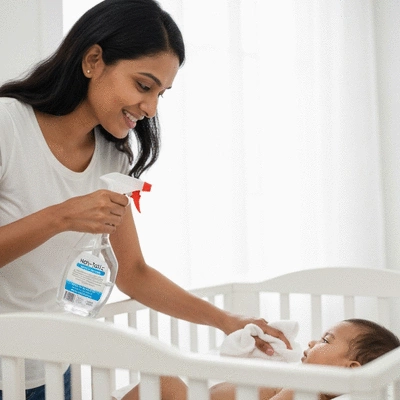
Daily Wipe-downs: Quick clean of spills & drool.
2.
Weekly Deep Clean: Bedding wash, surface disinfection.
3.
Monthly Inspection: Check for wear, loose parts, mold.
Resp. Issues: Mold spores, poor ventilation. (Prevention: Ensure air circulation, check for dampness)
Pediatrician Recommendations
✓
Clean crib & bedding weekly.
✓
Use safety-compliant accessories.
✓
Avoid soft toys or loose bedding.
✓
Regularly check for loose screws/damage.
Essential Cleaning Products
•
Mild, non-toxic cleaner.
•
Soft cloths or sponges.
•
Vacuum with HEPA filter.
•
Baking soda for odor absorption.
Understanding the Importance of Cleaning Your Baby's Crib
As new parents, we often find ourselves overwhelmed with countless tasks, but one crucial aspect we shouldn't overlook is cleaning our baby's crib. A clean crib isn’t just about aesthetics; it plays a significant role in ensuring our little ones have a safe and healthy sleeping environment. Regular maintenance can help us ward off potential health risks while providing peace of mind.
At Baby Cot Beds, we understand that your baby's health is paramount. Establishing a cleaning routine is essential not just for hygiene but also for creating a nurturing space where your baby can thrive. So, let’s delve into why this is so important!
Why Regular Crib Maintenance is Essential for Your Baby’s Health
Just like we care for our own health, our baby's well-being depends on a clean sleeping environment. Regular crib maintenance helps eliminate dust, allergens, and germs that can potentially harm your little one. Have you ever considered how often baby items are exposed to spills and drool? That's why cleaning should be a priority!
Enhances overall air quality in the nursery.
Reduces the risk of respiratory issues associated with allergens.
Promotes a calming atmosphere for sleep.
Incorporating these practices into your routine not only keeps your baby safe but also instills good hygiene habits from the start. It’s about creating a space where your child can sleep soundly and safely.
Common Health Risks Associated with Dirty Cribs
While it may seem harmless, neglecting crib cleanliness can lead to several health issues for our little ones. Common problems arise from the accumulation of dust mites, bacteria, and mold, which can wreak havoc on your baby’s developing immune system.
Allergies: Dust and other allergens can trigger reactions in sensitive infants.
Skin irritations: Bacteria can lead to rashes and discomfort.
Respiratory issues: Mold spores and dust can affect breathing.
By staying proactive and maintaining cleanliness, we can significantly reduce these risks, ensuring our babies remain healthy and happy. You can learn more about general crib safety from sources like UF Health's crib and crib safety guidelines.
The Role of Crib Safety in Your Baby's Well-Being
Not only does cleanliness matter, but crib safety is a crucial component of your baby’s well-being. The crib should not only be clean but also structured in a way that promotes safe sleeping practices. Regularly checking safety standards and ensuring there are no loose parts or harmful materials is essential. For comprehensive information on crib safety standards, refer to the CPSC's guidance on full-size baby cribs.
Inspect for wear and tear on the crib structure.
Ensure all hardware is secure and intact.
Check mattress firmness and fit within the crib.
By prioritizing both cleanliness and safety, you can create an environment where your baby can sleep peacefully, free from potential hazards. Remember, at Baby Cot Beds, we're here to guide you in making informed decisions about crib safety and maintenance!
Pro Tip
Did you know? Regularly rotating your baby's crib mattress can help ensure even wear and prolong its lifespan. This simple practice not only enhances comfort but also promotes a healthier sleep environment by allowing both sides to air out properly.
Frequently Asked Questions About Crib Care
Q: How often should I clean my baby's crib?
A: It's recommended to perform daily wipe-downs for spills and drool, a weekly deep clean (including bedding wash and surface disinfection), and a monthly inspection for wear, loose parts, and mold.
Q: What are the main health risks associated with a dirty crib?
A: Dirty cribs can lead to allergies from dust and allergens, skin irritations from bacteria, and respiratory issues from mold spores and poor ventilation.
Q: What types of cleaning products are safe to use on a baby's crib?
A: You should use mild, non-toxic cleaners. Baking soda can also be used for odor absorption. Always avoid harsh chemicals that could harm your baby.
Q: Besides cleaning, what other safety measures should I take for my baby's crib?
A: Regularly inspect the crib for wear and tear, ensure all hardware is secure, and check that the mattress is firm and fits snugly. Avoid soft toys or loose bedding to prevent suffocation risks.
Q: How can I ensure good air quality and prevent mold in the nursery?
A: Keep the room well-ventilated to promote air circulation. Use breathable materials for bedding and accessories, and regularly check for signs of dampness or mold, especially in humid conditions.
Summary of Best Practices for Crib Care
Keeping your baby's crib clean and safe is essential for their overall health and well-being. At Baby Cot Beds, we believe that understanding best practices for crib maintenance not only protects your little one but also ensures lasting comfort. Here’s a quick summary of the key practices you should adopt to maintain a pristine crib environment.
Key Takeaways for Keeping Your Baby’s Crib Clean and Safe
Establish a regular cleaning schedule: Aim for daily, weekly, and monthly tasks to keep the crib in top shape.
Choose safe and non-toxic cleaning products that are gentle on both your baby and the environment.
Focus on high-touch areas: Crib rails and slats should be disinfected to prevent germ buildup.
Consider the materials: Whether wood or metal, each crib type has specific care requirements.
Keep bedding and toys clean by washing them regularly to eliminate dust mites.
Following these best practices can significantly reduce the risk of allergens and bacteria, creating a safer sleep environment for your child. Remember, a clean crib contributes to a peaceful night’s sleep!
Ensuring a Healthy Sleep Environment for Your Child
Creating a healthy sleep environment involves more than just cleaning. It’s about ensuring that your baby's crib is welcoming and safe. One vital aspect is ensuring proper ventilation to avoid moisture buildup, which can lead to mold. Here are some tips to help:
Keep the room well-ventilated to promote air circulation.
Use breathable materials for bedding and accessories.
Regularly check for signs of mold or dampness, especially in humid conditions.
Establish a cleaning routine that includes inspecting the crib for any potential hazards.
By combining these strategies with regular cleaning, you can foster an environment conducive to your baby's health and tranquility. After all, a good night's sleep means a happier baby, and who doesn't want that?
Pediatrician Recommendations for Crib Maintenance
It's always reassuring to know that you’re following expert advice. Pediatricians recommend that parents pay attention to the cleanliness and safety of their baby's sleep space. For more detailed guidelines on creating a safe sleep environment, you can refer to the American Academy of Pediatrics' safe sleep recommendations. Here are key takeaways from their guidelines:
Clean your baby's crib and bedding weekly to avoid dust and allergens.
Use only crib accessories that meet safety standards.
Avoid placing soft toys or loose bedding in the crib to prevent suffocation risks.
Regularly check for any loose screws or damage to the crib structure.
These recommendations from health professionals highlight the importance of proactive maintenance. At Baby Cot Beds, we encourage all parents to incorporate these practices into their nursery routines for a secure and snug sleeping area.
Recap of Key Points
Here is a quick recap of the important points discussed in the article:
Establish a regular cleaning schedule to maintain a safe and healthy crib environment.
Use safe and non-toxic cleaning products that are gentle on your baby and the environment.
Regularly disinfect high-touch areas like crib wheels and slats to prevent germ buildup.
Choose crib materials wisely, as different types require specific care.
Keep bedding and toys clean to eliminate dust mites and allergens.
Ensure proper ventilation and check for mold or dampness in the nursery.
Follow pediatrician recommendations for crib maintenance to ensure safety and hygiene.
Subscribe & Share
2026-03-03
Cot Bed Safety Ratings Comparison
Choosing a cot bed for your little one is more than just a style choice—it's about ensuring a safe
2026-02-26
Cot Bed Care and Cleaning
Regular cleaning and maintenance of your baby's cot bed is crucial for their safety and well-being.
Your trusted UK resource for comprehensive reviews and guidance on cot beds, cribs, bassinets, and nursery furniture. We empower new and expecting parents with unbiased information and practical advice.
Trusted by parents across the UK, our mission is to provide reliable, easy-to-follow insights backed by Clara Jennings' expert recommendations, focusing on safety ratings, budget comparisons, and space-saving solutions.